
OUR BLOG
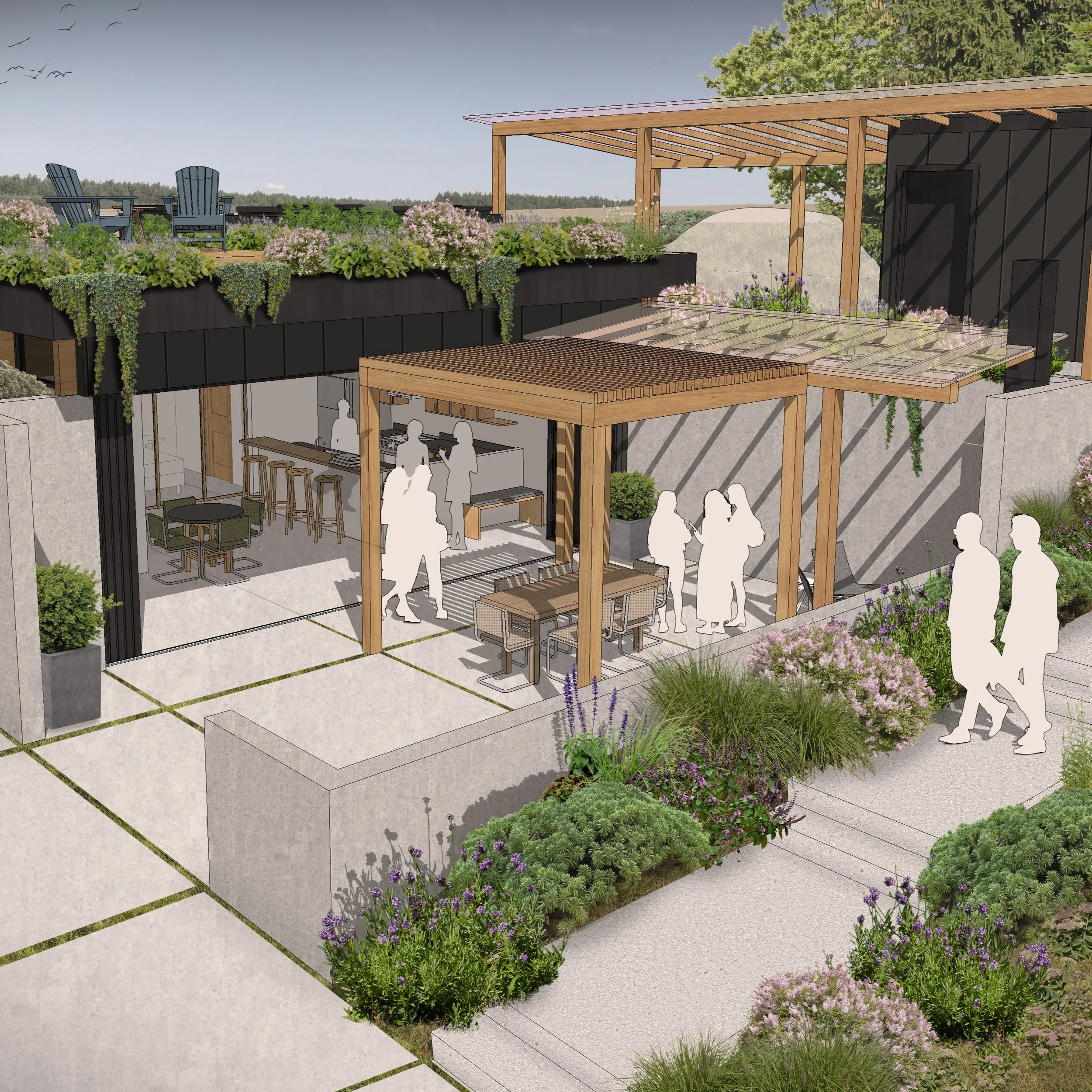
How Passive House Design Works in the Pacific Northwest
Learn how Passive House design works in the Pacific Northwest. Improve energy efficiency, indoor comfort, and air quality with climate-specific strategies.

What Is Complete Design in Residential Architecture?
What is complete design in residential architecture? Learn how full design documentation improves construction, reduces delays, and supports permit approval.
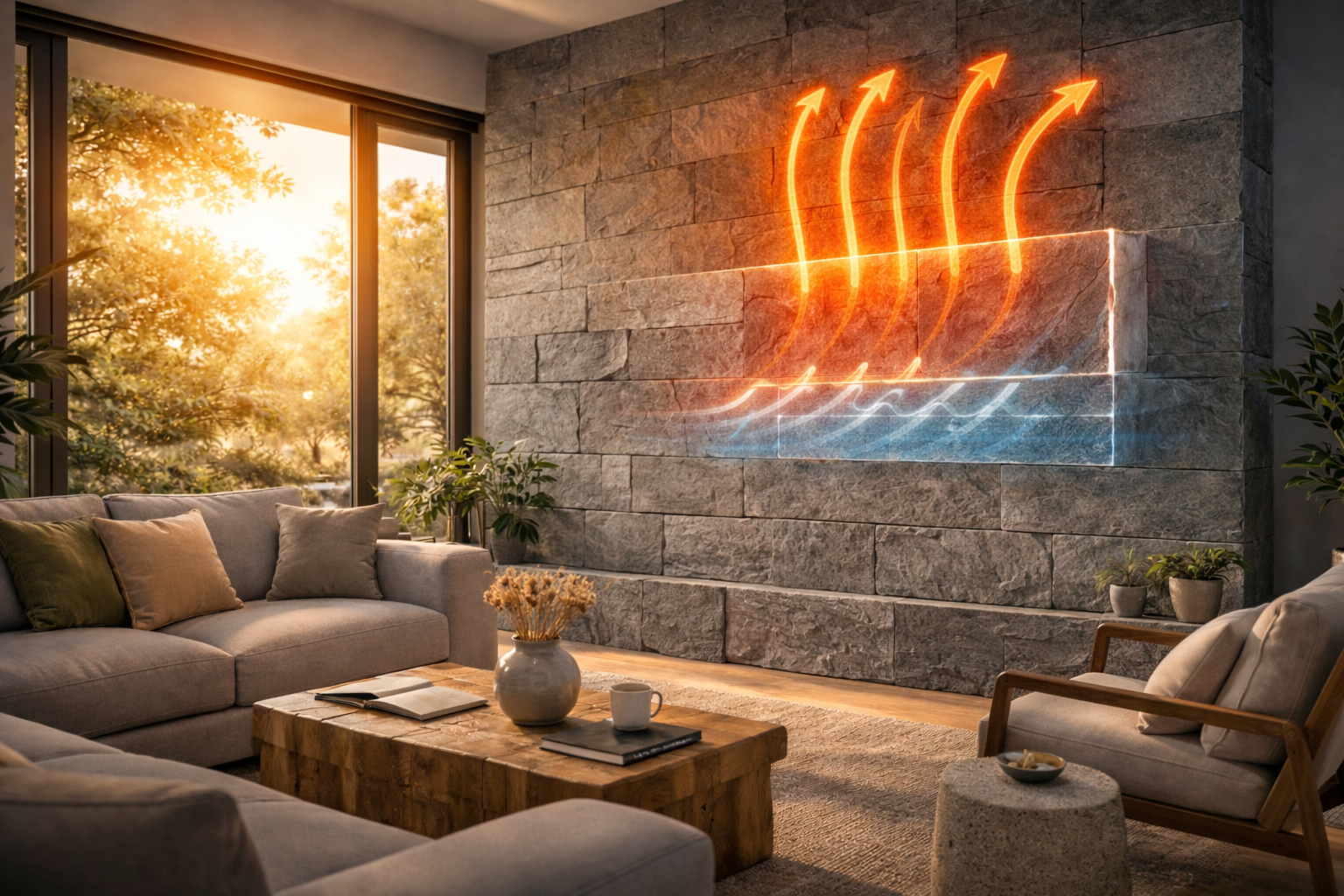
Designing for Comfort in Homes: How Lighting Simulation and Thermal Analysis Improve Performance
Most homes are designed around appearance. Performance is addressed later, often after construction begins or when issues appear during use.
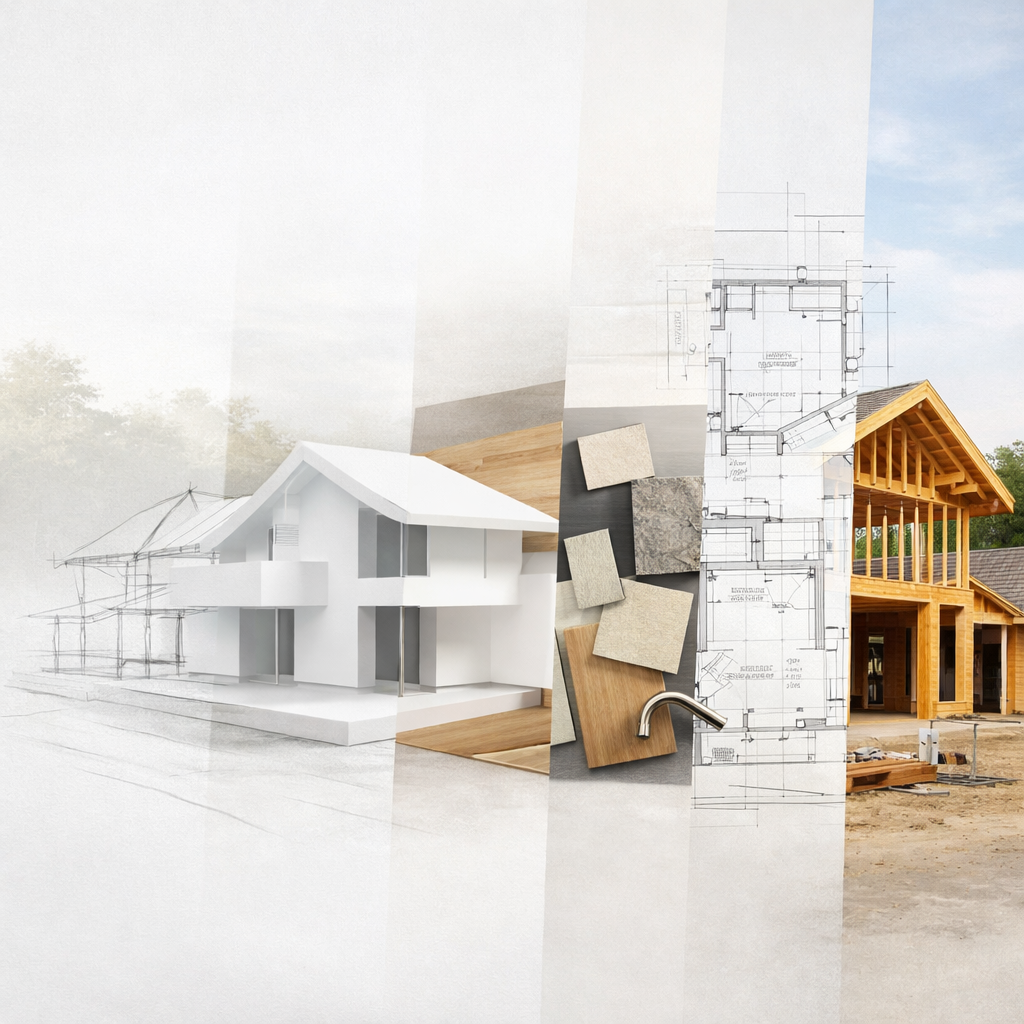
The 5 Phases of Design: A Complete Guide to the Residential Design Process
Learn the 5 phases of design, from predesign to construction administration, and why each step is critical for a successful residential project.
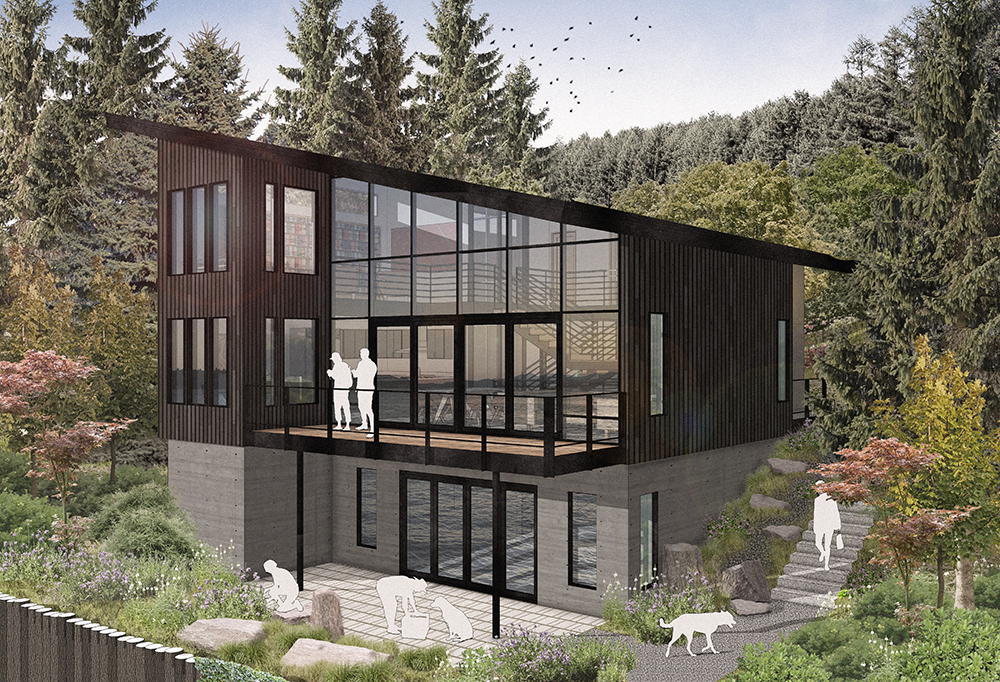
9 Things Homeowners Should Know Before Starting the Permit Process
Why do building permits take time? Learn the 9 things homeowners should know about design, permitting, and avoiding delays in residential projects.
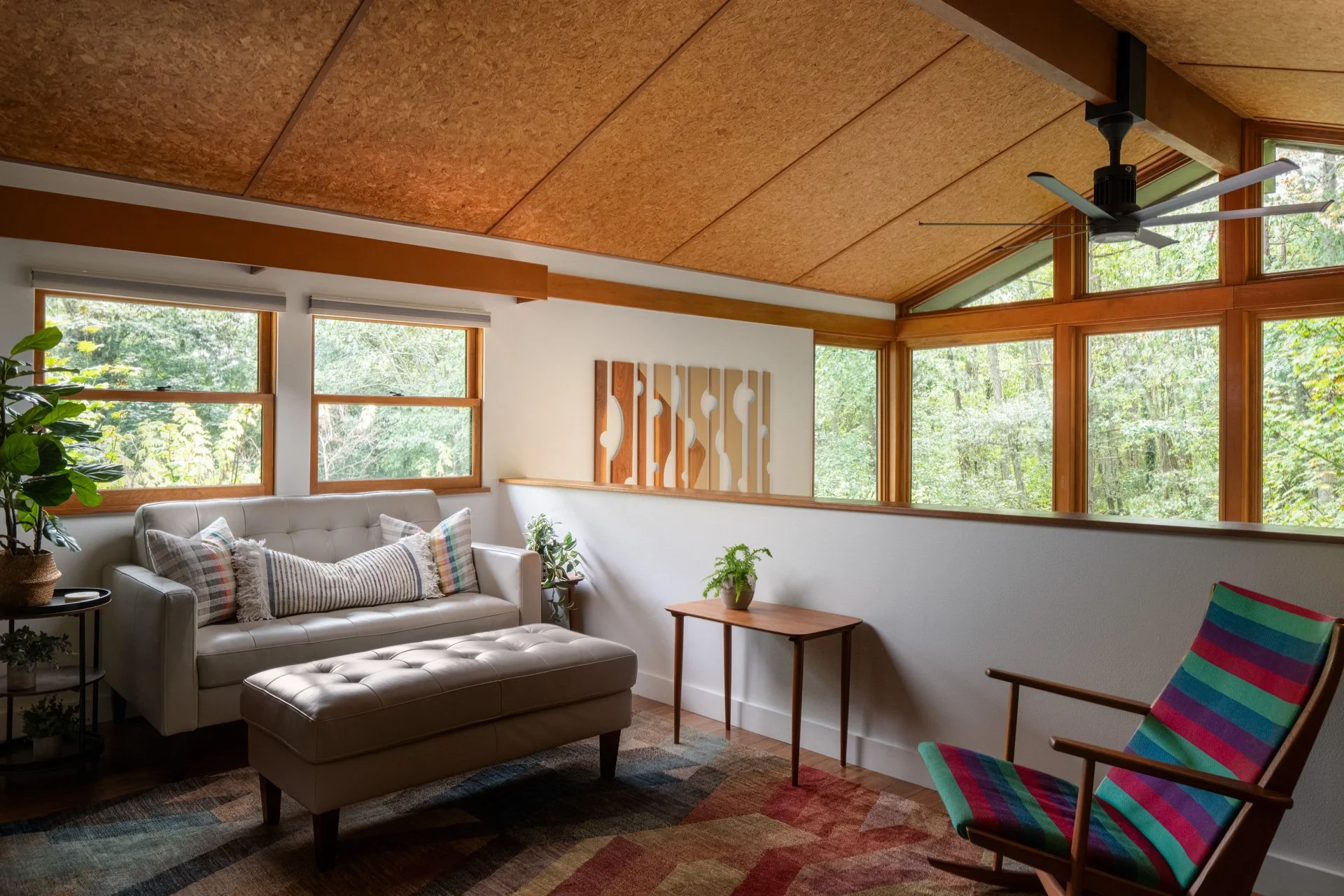
Seasonal Design and Mental Health: Architecture That Supports Year-Round Wellness
Modern architecture and interior design are increasingly shaped by one reality: people spend most of their lives indoors. The quality of those environments has measurable effects on mood, energy levels, and mental health.
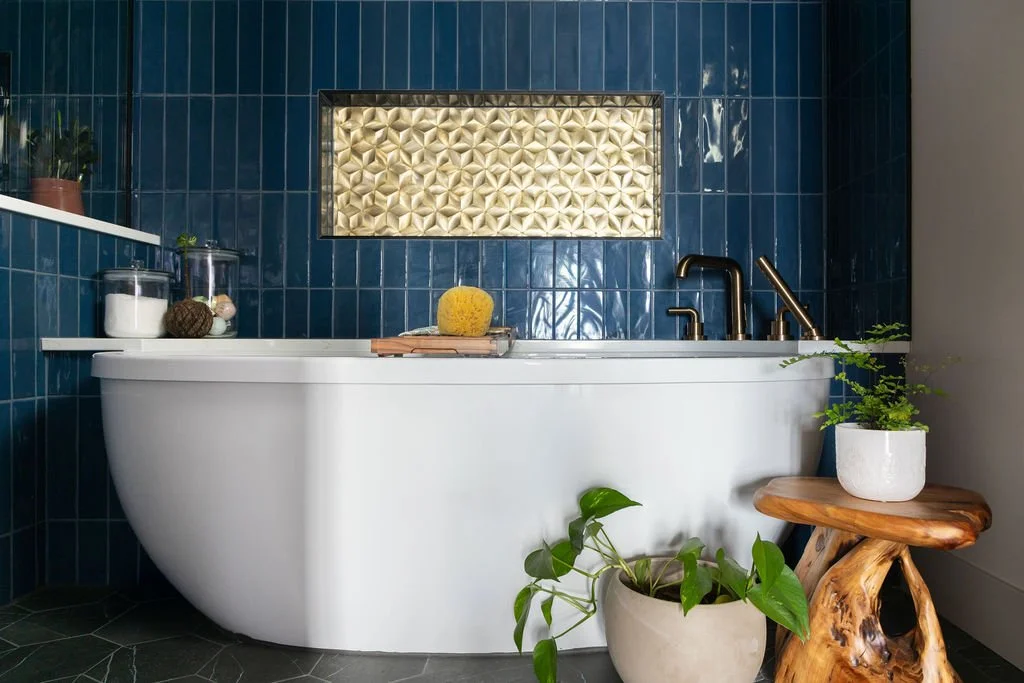
“Night Garden” Basement Case Study
This home sits in a quiet, community-forward Seattle neighborhood—forested landscaping, a nearby church, and a community garden that makes the area feel like a pocket of calm tucked inside the city. Our work began with a simple question: How do we make a basement feel like a destination—not an afterthought?
Rather than fight the reality of lower ceilings and cooler light, we leaned in. Basements are naturally more cave-like, so we designed a space that feels intentionally cocooned: darker, calmer, and softly luminous.
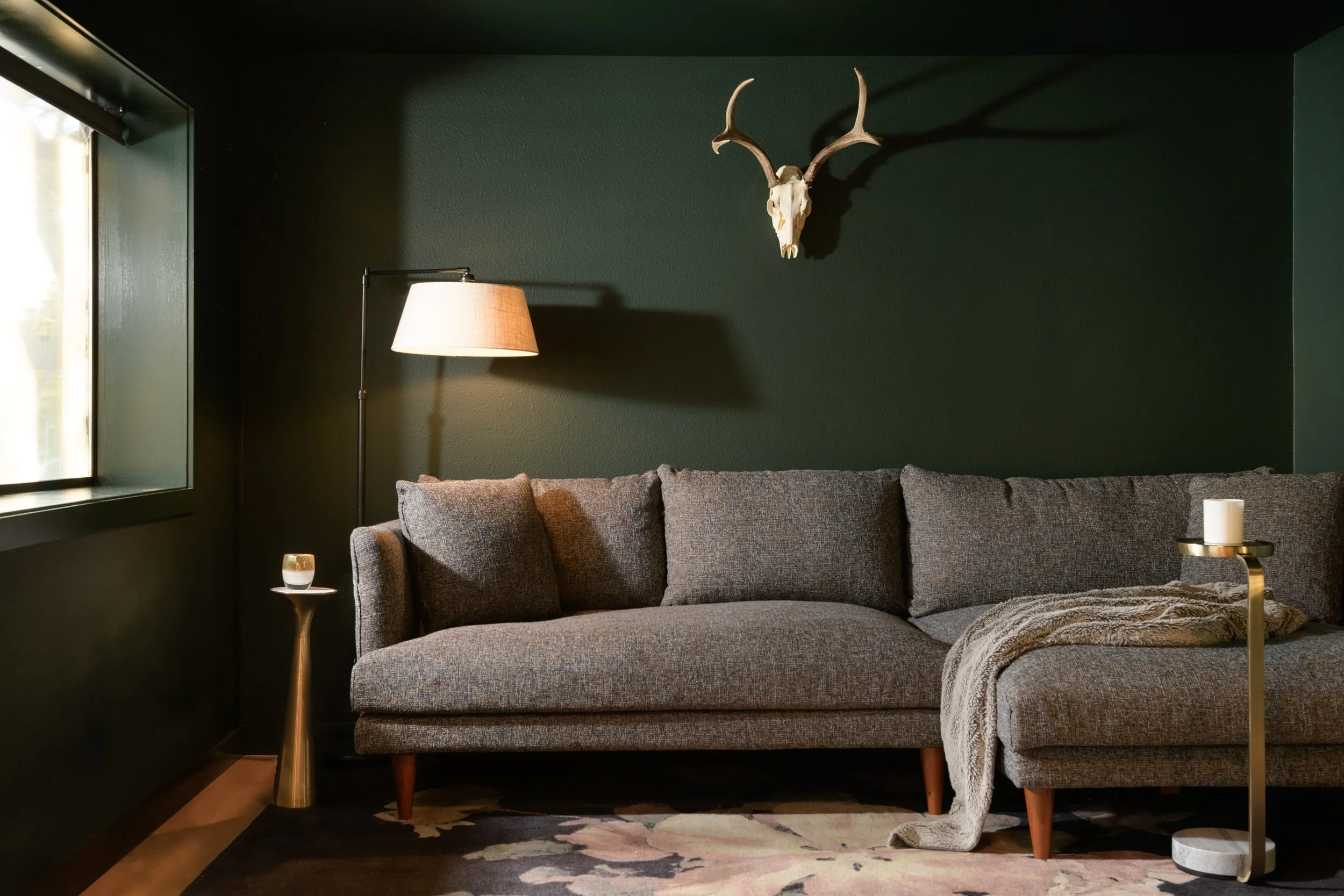
Maximizing Natural Light in Winter
Winter light in the Pacific Northwest is not generous. It arrives late, leaves early, and often hides behind cloud cover. If you are building, renovating, or refining your home, this season will expose every lighting weakness.
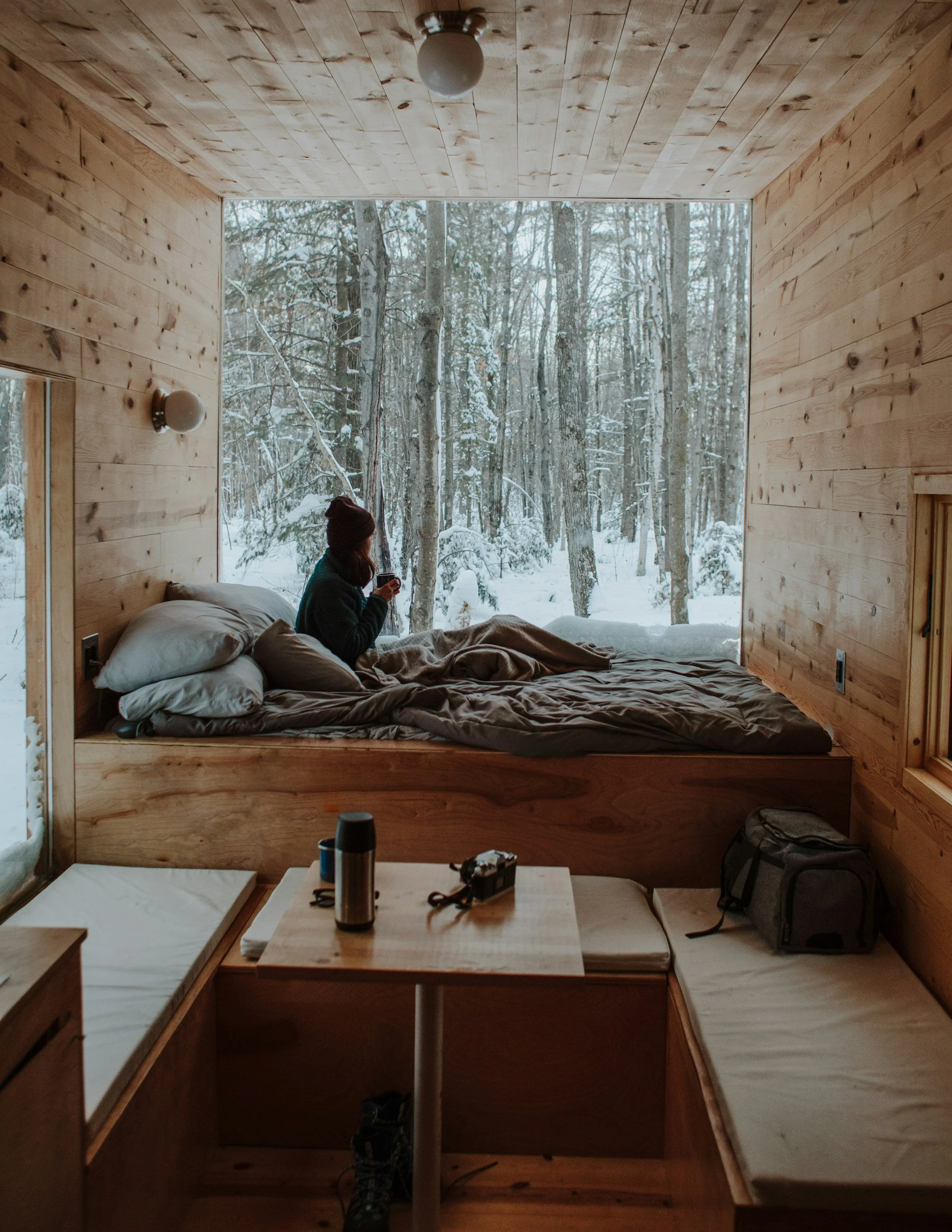
What Keeps Us Cozy in the Winter
Winter exposes every weakness in a home. Drafts appear. Cold floors become unavoidable. Heating bills spike. Real comfort is not about cranking the thermostat. It is about how a home performs. Thermal comfort sits at the center of sustainability, durability, and human well-being. When a house is designed and built to perform in winter, it works better all year long.
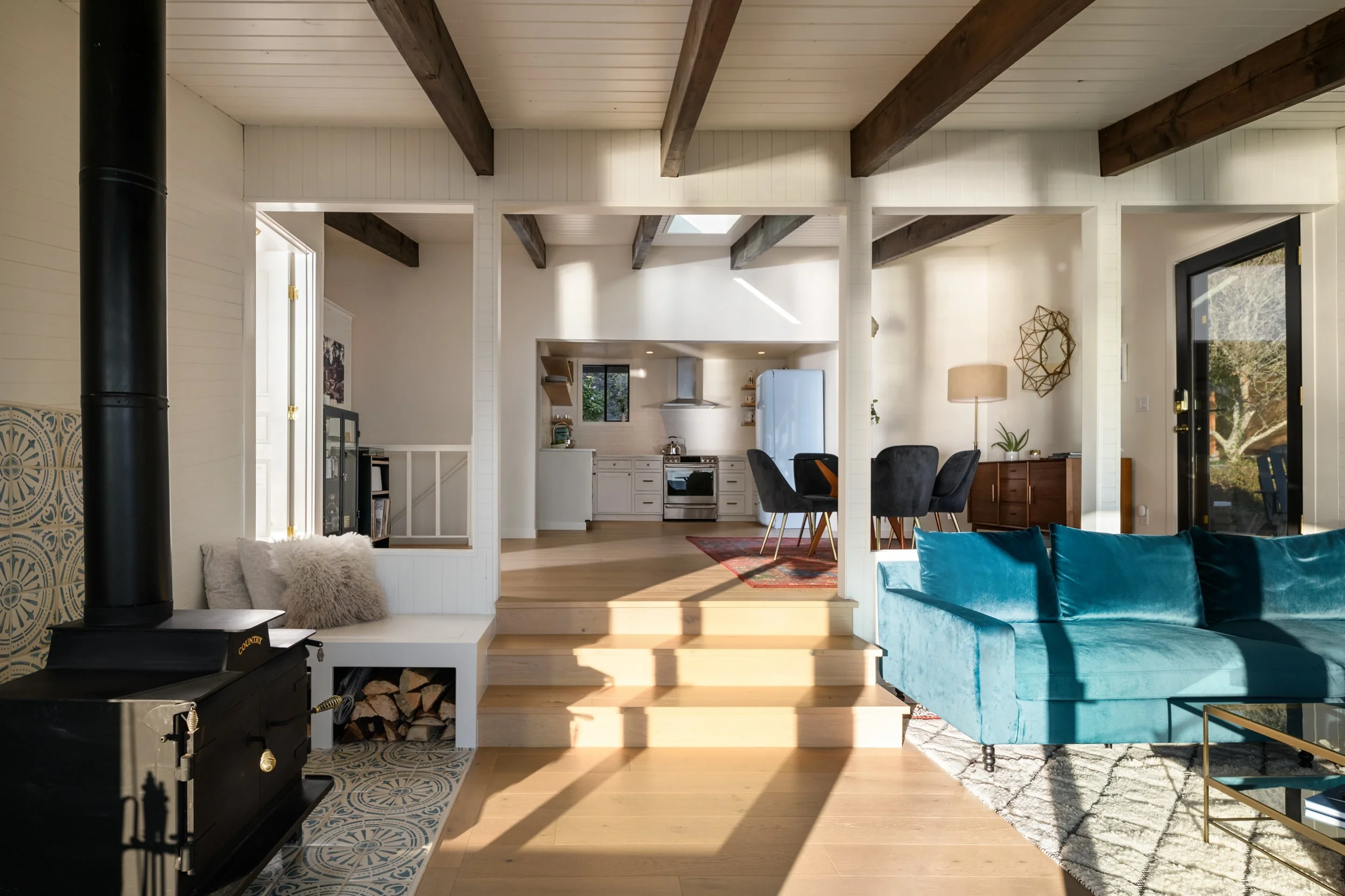
Thermal Comfort Design for Homes in the Pacific Northwest
Thermal comfort refers to how consistently warm, stable, and draft-free a home feels throughout the year. In the Pacific Northwest, where winters are long, damp, and low-light rather than extreme, thermal comfort depends less on high-output heating and more on thoughtful design.
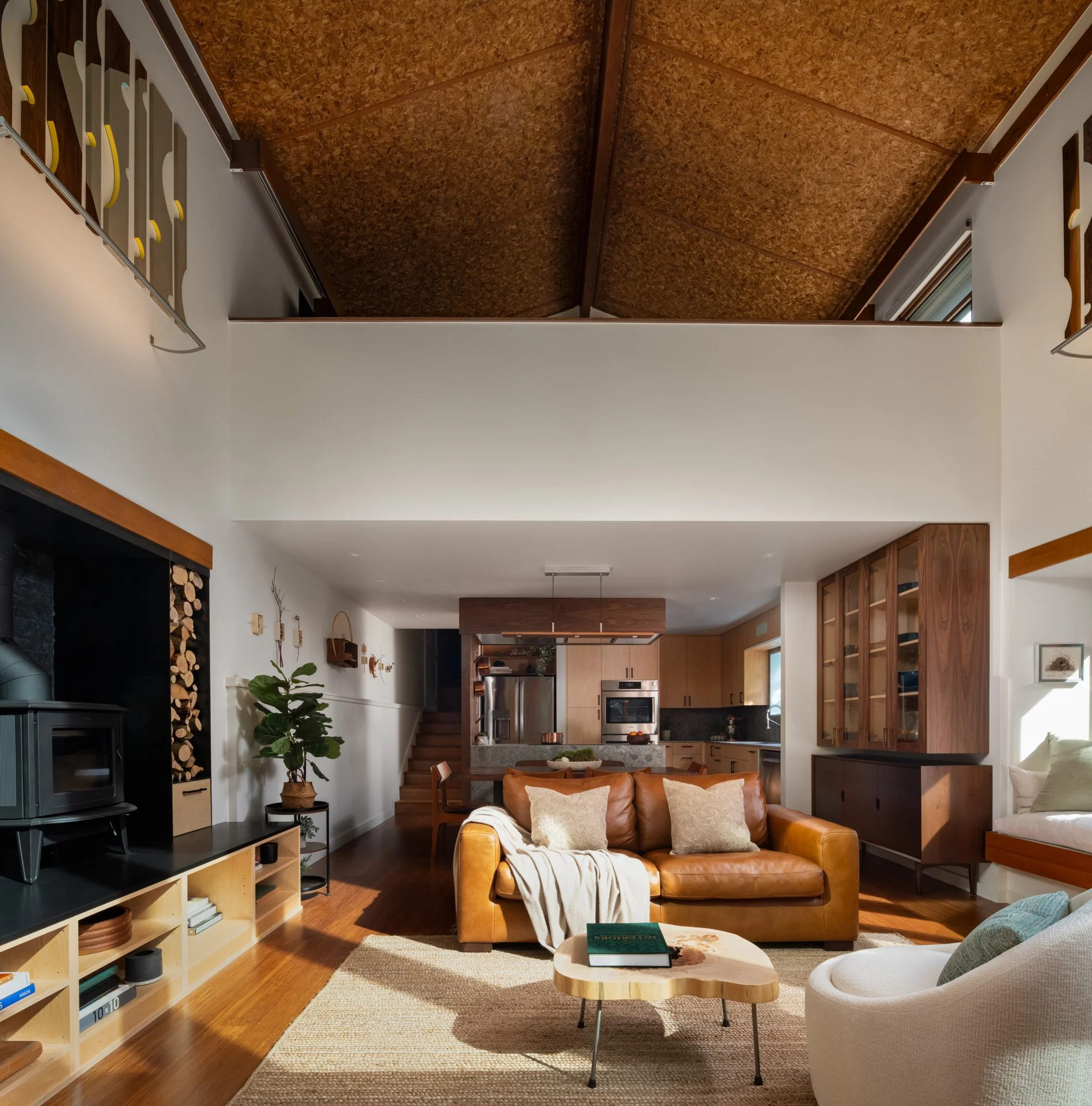
Material Warmth in Interior Design, Creating Comfortable, Biophilic Homes
Material warmth in interior design uses natural materials, light, and biophilic principles to improve comfort, wellness, and long-term performance. In the Pacific Northwest, where darker seasons and damp conditions shape how homes are experienced, material choices play a critical role in supporting both physical comfort and mental health.

General Contractor Red Flags Homeowners Should Never Ignore
Hiring a general contractor is not just about who can swing a hammer. When a project involves a designer and a GC working together, alignment matters. A lot. When it’s wrong, the cracks show early, usually before construction even begins.